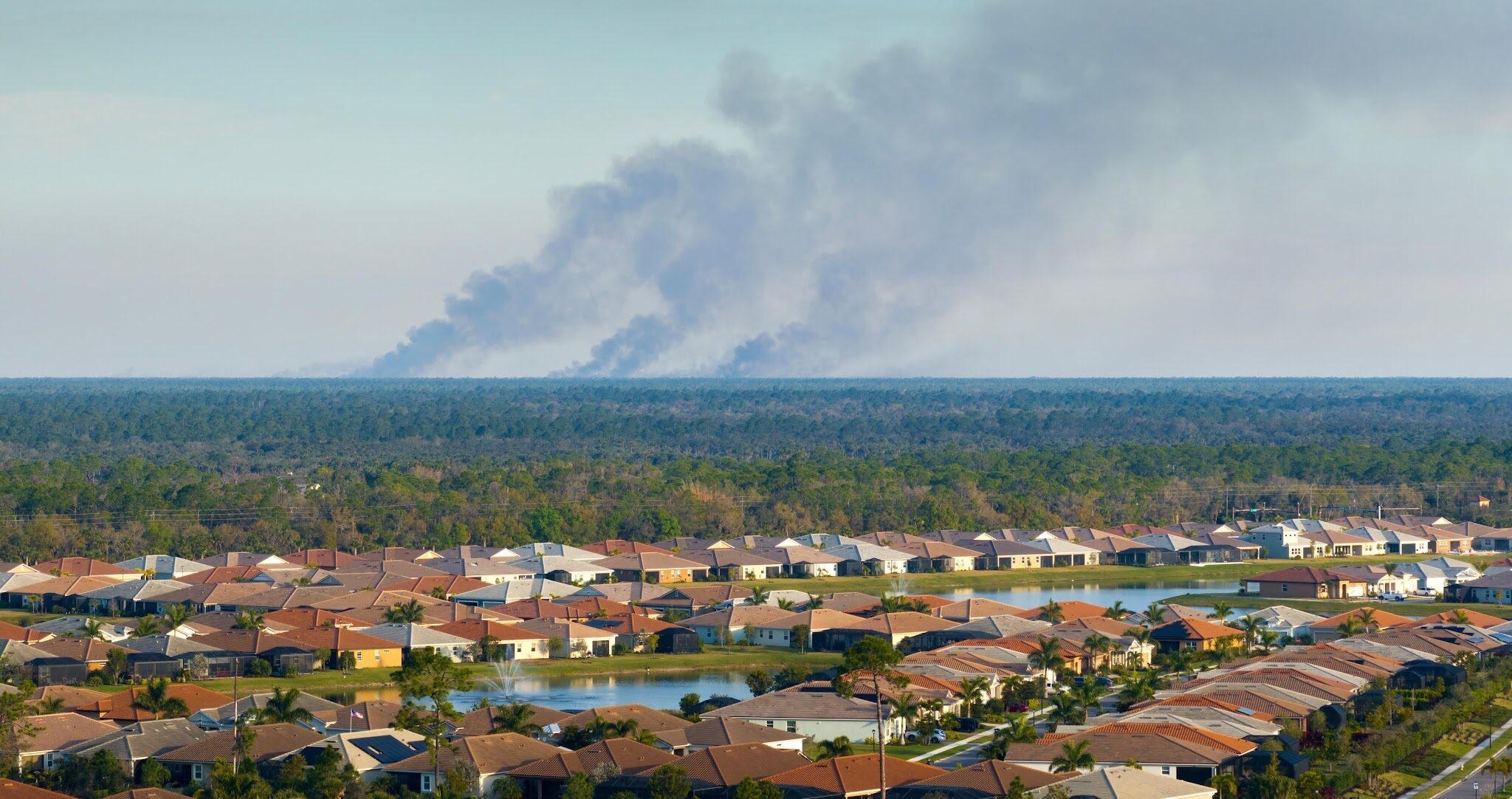
As wildfire risk continues to escalate across the United States, roofing contractors must specify fire-resistant roofing materials that protect property, comply with building codes, and meet Wildland-Urban Interface (WUI) roofing requirements. Fire-resistant roof systems are no longer optional; they are critical for life safety, property protection, and regulatory compliance. Polyglass supports contractors with fire-rated roofing systems designed for high-risk wildfire environments.
Understanding Wildfire Risk and WUI Roofing Requirements
The Wildland-Urban Interface (WUI) is where human development meets undeveloped wildland vegetation. These zones are highly susceptible to wind-driven embers, radiant heat, and flame spread.
Contractors working in WUI-designated areas must follow additional WUI roofing requirements, including fire-rated materials, tested assemblies, and precise installation methods. While states like California, Oregon, and Washington receive significant attention for wildfire risk, wildfires can occur nationwide, making year-round preparation essential.
👉Also Read: Superior Fire Protection in Wildland-Urban Interface (WUI) Areas with Polyglass’ Burn-Shield Technology®
Why Fire-Resistant Roofing Matters
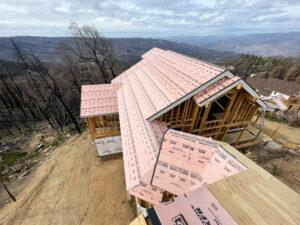
Roofs are among the most vulnerable building components during a wildfire. Embers can travel miles and ignite roof assemblies through small gaps, joints, or combustible underlayments.
Specifying fire-resistant roofing and properly tested assemblies helps reduce ignition risk, slow fire spread, and provide critical time for occupants and emergency responders. Contractors who understand and install compliant systems protect structures, minimize liability, and improve project outcomes in high-risk fire areas.
Fire-Proof Roofing vs. Fire-Resistant Roofing
Understanding the difference between fire-proof and fire-resistant roofing materials is critical:
Fire-proof roofing implies complete immunity to fire, which is not achievable in real-world conditions.
Fire-resistant roofing refers to materials and assemblies tested to withstand fire exposure for a defined period under standardized conditions.
For code compliance and performance, contractors should focus on roof assemblies that have been tested and classified in accordance with UL 790 or ASTM E108.
Burn-Shield Technology®: Next-Generation Fire-Resistant Roofing
Burn-Shield Technology represents the next generation of fire-resistant roofing systems, engineered to protect the building envelope. Designed for both steep- and low-slope roofs, Burn-Shield products resist ignition from airborne embers, providing enhanced fire protection and Code Confidence in WUI environments.
At the core of every Burn-Shield Technology product is a proprietary fire-resistive layer that blocks ignition from wind-blown embers and debris. Combined with Polyglass waterproofing expertise, Burn-Shield ensures durability, fire safety, and performance in both dry and wildfire-prone conditions.
Whether for new construction or code-driven retrofits, Burn-Shield Technology provides contractors, architects, and property owners with a smarter, future-ready defense against wildfire threats.
👉Also Read: Polyglass USA Introduces New Superior Wildland-Urban Interface (WUI) Line
The Role of Building Codes in Fire-Resistant Roofing and WUI Compliance
Building codes play a critical role in reducing wildfire risk by establishing minimum performance standards for fire-resistant roofing materials. These codes are designed to protect life, property, and community resilience, particularly in wildfire-prone regions. As wildfire behavior evolves, so do code requirements—making it essential for contractors to stay current.
The International Code Council (ICC) continues to advance guidance through the development and adoption of Wildland-Urban Interface (WUI) provisions, which directly impact roofing material selection, tested assemblies, and installation methods. WUI roofing requirements often mandate Class A fire-rated roofing systems and limit the use of combustible components that can be ignited by wind-driven embers.
Today, contractors have convenient online access to the International Building Code (IBC), International Residential Code (IRC), and local amendments governing fire-rated roofing systems. However, access alone is not enough. Contractors are legally considered the experts on their projects and are responsible for ensuring fire-resistant roofing assemblies meet all applicable code requirements. Failure to comply can result in costly rework, project delays, and increased liability.
Because building codes and WUI roofing requirements vary by jurisdiction, contractors working in Western states—including California, Oregon, Washington, Nevada, and Arizona—must be especially diligent. Many of these regions enforce enhanced WUI standards that require the use of tested fire-resistant materials, fire-resistant underlayments, and complete Class A fire-rated roofing systems. Staying informed ensures compliance, protects project stakeholders, and delivers long-term performance in high-risk wildfire environments.
Protect Your Property with a Class A Fire-Rated Roofing System
A UL Class A roof assembly listing provides the highest level of protection against external fire exposure, including flame spread and ember penetration. Achieving this rating requires a complete tested roof assembly, not just noncombustible roof coverings.
Advanced solutions such as Polyglass Polystick XFR and Polyanchor XFR, equipped with Burn-Shield Technology, are designed to resist ignition, slow fire propagation, and help limit ember penetration even when roofing materials are exposed. When properly installed, these systems can delay ignition, reduce structural damage, and provide valuable time during wildfire events, supporting stronger overall building resilience.
Ready to build smarter, safer, and stronger? Talk to a Polyglass Roofing Expert
Frequently Asked Questions
What are fire-resistant roofing materials?
Fire-resistant roofing materials are products and roof assemblies designed and tested to reduce ignition risk and slow fire spread during external fire exposure. They are evaluated under recognized standards such as UL 790 and ASTM E108 and are commonly required in wildfire-prone and Wildland-Urban Interface (WUI) areas.
What is the difference between fire-proof roofing and fire-resistant roofing?
Fire-proof roofing implies absolute resistance to fire, which is not achievable in real-world construction. Fire-resistant roofing refers to materials and assemblies that have been tested to withstand fire exposure for a defined period under standardized conditions. Building codes recognize fire resistance ratings, not fire-proof claims.
What is a Class A fire-rated roofing system?
A Class A fire-rated roofing system provides the highest level of protection against external fire exposure, including flame spread and wind-driven embers. The rating applies to the entire roof assembly—not just the roof covering—and is determined through testing under UL 790 or ASTM E108 standards.
What are WUI roofing requirements?
WUI roofing requirements apply to structures built in the Wildland-Urban Interface, where development meets vegetated land. These regulations often require Class A fire-rated roofing systems, ember-resistant materials, and specific installation details beyond standard building code requirements.
Do fire-rated roofing systems help prevent wildfire damage?
Fire-rated roofing systems can significantly reduce the risk of ignition from embers and external fire exposure. While no roofing system can eliminate wildfire risk entirely, properly designed and installed fire-resistant assemblies can slow fire spread and improve overall building resilience.
Why are fire-resistant underlayments important for Class A roofing systems?
Fire-resistant underlayments play a critical role in Class A roofing systems by helping block ember intrusion and resist ignition when roof coverings are compromised. These underlayments are tested as part of complete assemblies to meet fire-rating requirements in high-risk wildfire zones.