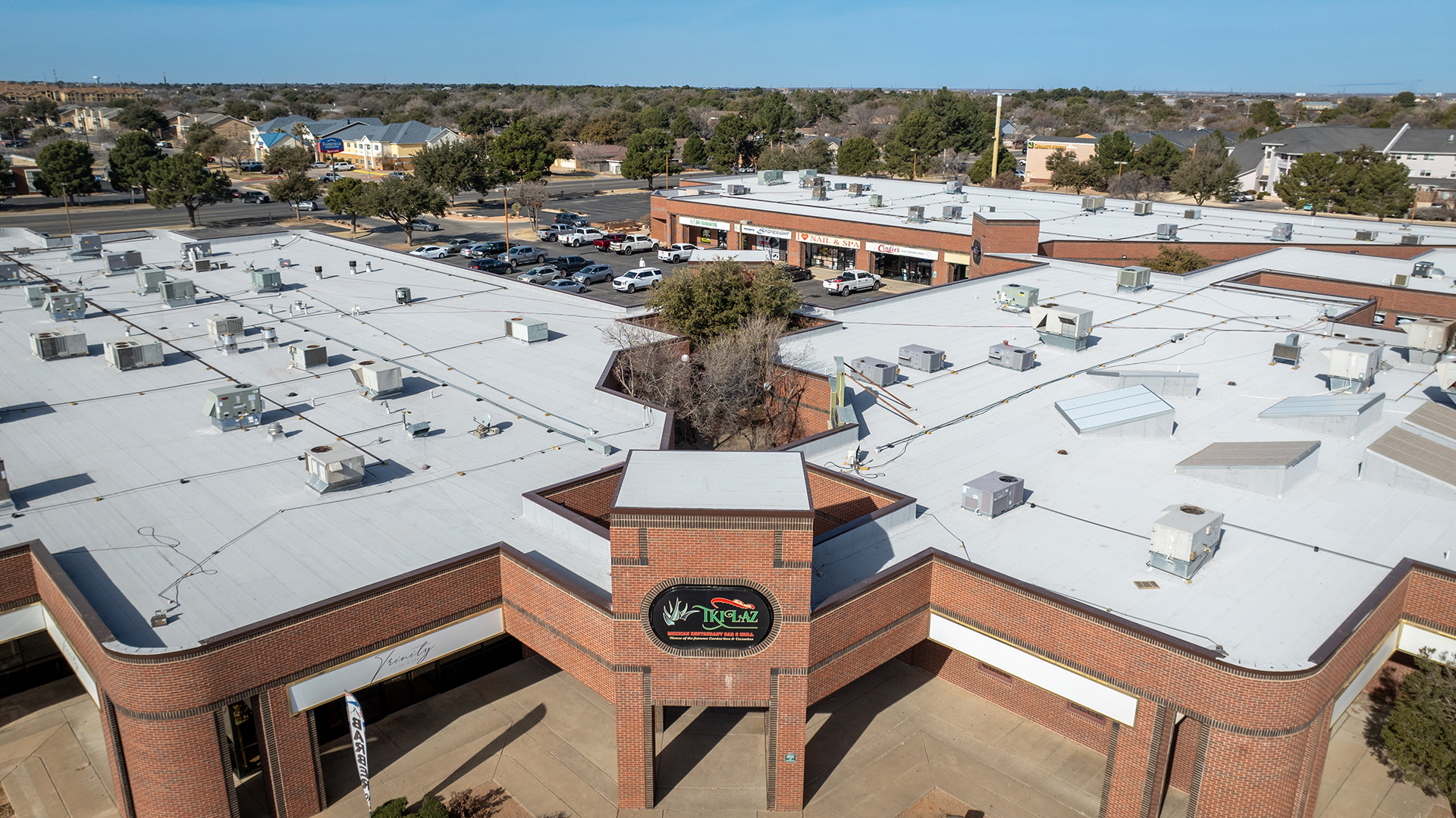
Roof performance challenges aren’t always dictated by extreme climates. In mixed-weather markets like Tennessee and much of the South, roofs are exposed to a combination of temperature swings, freeze–thaw cycles, wind-driven rain, and prolonged environmental exposure that can stress systems in less obvious ways.
Across decades of building and manufacturing roofing systems at scale, one lesson has remained consistent: long-term performance isn’t the result of a single product choice. It’s the outcome of how the entire system works together—from the primary membrane to edge protection to how the roof is maintained or extended over time.
Modified Bitumen: The Backbone of Durable Low-Slope Roofing Systems
Across thousands of low-slope installations and long-term performance evaluations, modified bitumen has consistently demonstrated why it remains a foundational system in mixed-weather markets.
Its layered construction provides built-in redundancy, helping systems tolerate temperature movement and real-world jobsite variables. In recovery scenarios or buildings with inconsistent substrates, modified bitumen continues to offer the flexibility and durability that contractors trust.
In markets where modified bitumen has been relied on for decades, experience has shown that system continuity matters more than isolated components. That system-level mindset—how materials interact, overlap, and perform together—continues to set the baseline for durable roof assemblies.
Roof-Edge and Vulnerable-Point Protection: Where Failures Often Begin
While the field of the roof receives much of the attention, many leaks and callbacks tend to show up first at edges, transitions, penetrations, and terminations—areas that experience the highest stress during weather events.
In mixed-weather regions, freeze–thaw cycles don’t have to be extreme to create problems. Repeated temperature swings combined with wind-driven rain can force water into vulnerable areas, particularly when protection is minimal or lacks flexibility.
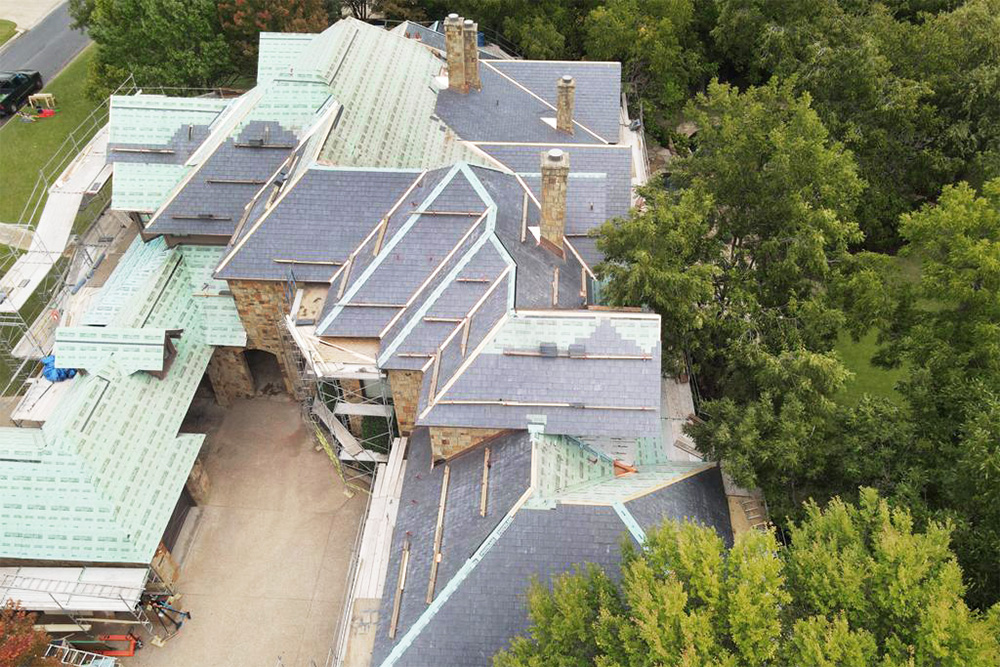
System experience has shown that effective protection requires materials that maintain adhesion, seal tightly around fasteners and transitions, and remain flexible during temperature swings and jobsite exposure. Self-adhered underlayments play a critical role in modern roof assemblies—not as standalone solutions, but as targeted protection informed by decades of system performance insight.
Lifecycle Decisions: Repair, Replace, or Extend?
As roofs age, contractors are often asked to balance short-term fixes against long-term performance. This is where system experience becomes especially valuable.
Roof coatings, for example, can be an effective tool when used responsibly as part of a broader maintenance or life-extension strategy. When the underlying system is sound and details are properly addressed, coatings can help defer replacement and improve performance.
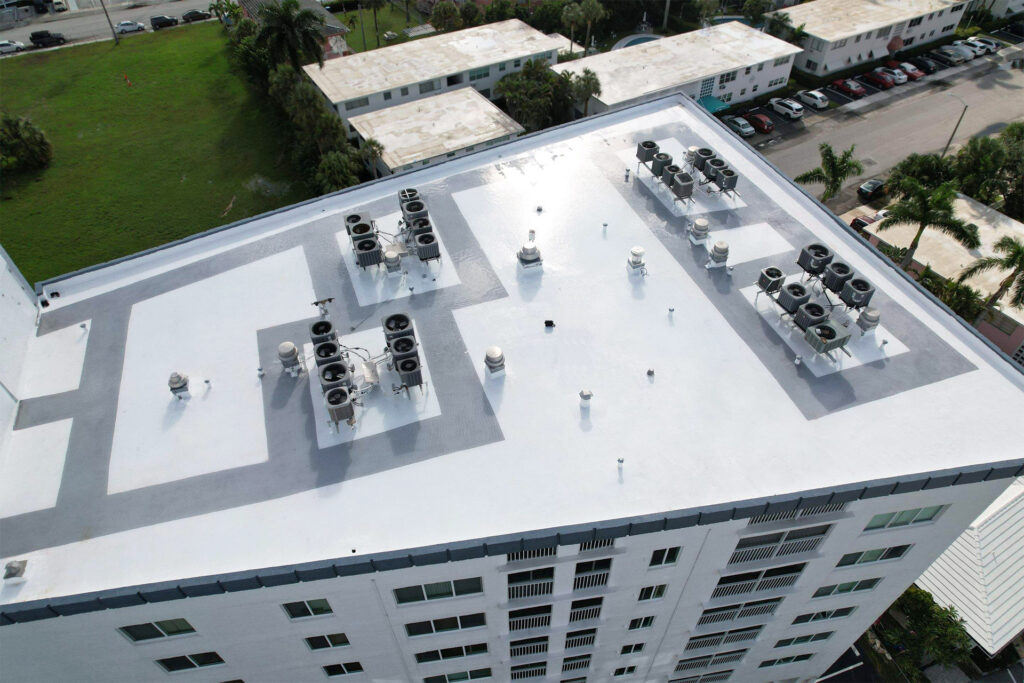
However, experience has also shown that coatings are not a substitute for correcting underlying system issues. Understanding when a roof can have its serviceable life extended—and when replacement is unavoidable—protects both contractor credibility and owner expectations.
Why System Thinking Matters
In mixed-weather environments, roof performance is cumulative. Durable systems are built by aligning proven primary assemblies, targeted protection at vulnerable points, and responsible lifecycle planning.
Decades of roofing system experience continue to reinforce a simple truth: products don’t perform in isolation—systems do. Contractors who approach roofing decisions with that mindset are better positioned to reduce callbacks, manage risk, and deliver long-term value.
Partner With Polyglass for Proven Roofing System Support
Need help evaluating a roof system or edge-protection strategy? Polyglass technical and product experts are available to support system design, recovery decisions, and product selection.
Connect with your local Polyglass representative or visit polyglass.us to learn more about roofing systems designed for real-world performance.
Frequently Asked Questions
What makes modified bitumen different from standard bitumen roofing, especially for commercial roofing systems?
Modified bitumen membranes are upgraded with polymers, either APP (atactic polypropylene) or SBS (styrene-butadiene-styrene), that enhance flexibility, durability, and resistance to temperature extremes. Standard bitumen becomes brittle in cold and flows in heat; modifiers maintain elasticity across the temperature swings common in mixed-weather regions like Tennessee.
For commercial roofing systems, this performance advantage is critical, building owners and facility managers depend on consistent, predictable performance over decades. Modified bitumen’s proven track record in commercial applications across varied climates makes it the backbone of reliable commercial roofing systems that protect significant assets and operations.
How do APP (atactic polypropylene) and SBS (styrene-butadiene-styrene) membranes differ, and when should each be used?
APP membranes perform best in hot conditions, offering extra strength and stability where foot traffic is frequent. SBS membranes are more flexible and better suited for areas with significant temperature swings and freeze-thaw cycles. In Tennessee’s mixed-weather climate, SBS membranes often provide better performance due to their elasticity. The choice also depends on installation method (torch-applied vs. self-adhered) and the specific project requirements. Polyglass offers both, your technical team can recommend the better fit.
Can mod bit be used for roof recovery (rather than replacement)?
Yes—Polyglass modified bitumen (mod-bit) roofing systems can be used for roof recovery (layover) rather than full replacement, provided specific conditions are met. A recover application is acceptable when the existing roof is structurally sound, dry, and properly prepared, and when local building codes allow an additional roofing layer. Any wet insulation, significant damage, or drainage issues must be corrected before installation, and the system must be designed and installed in accordance with Polyglass specifications and approved installation methods. If the existing roof is severely deteriorated or code restrictions prohibit additional layers, a full tear-off and replacement is required.
How long does a modified bitumen roofing typically last? What’s the average life expectancy?
With proper installation techniques and appropriate maintenance, modified bitumen roofs commonly perform for 15–20 years or longer. Lifespan depends on climate exposure, maintenance frequency, underlying system quality, and edge protection.